Tips To Keep Your Reproductive System Healthy
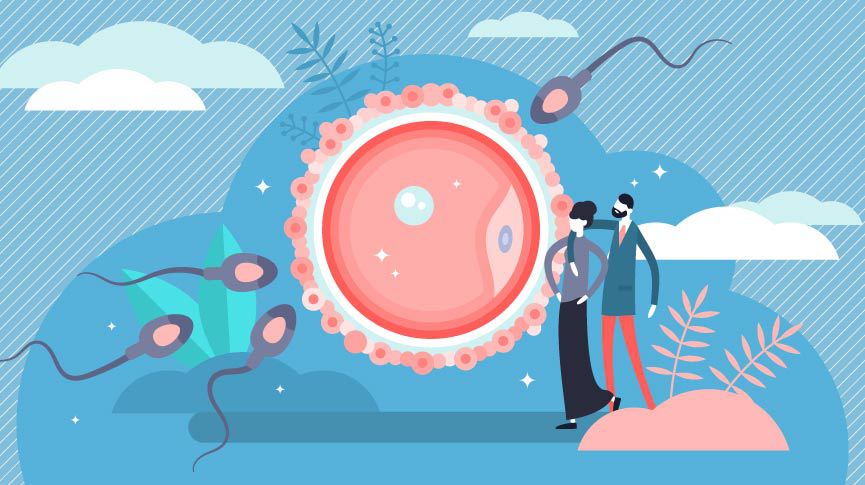
For women, having a healthy reproductive system is not merely important for childbearing. It’s also imperative for overall health, including emotional wellbeing, bone strength, cardiovascular health, immune system, pelvic health, and aging. Your reproductive system is strongly connected to your hormones, which essentially control a lot of your bodily functions.
Bottom line? Having a healthy reproductive system is crucial for many different parts of the body.
Today, we’re going to look at the various ways that a healthy reproductive system contributes to an overall healthier you, as well as ways in which to keep your reproductive system healthy.
Here are 8 different ways your reproductive system works to keep your body healthy.
1. Hormonal Health
Firstly, as mentioned, your reproductive system is a major hormone producer… and hormonal balance affects your whole body.
For example, estrogen, progesterone, and testosterone, all produced in the female reproductive system, influence your energy levels and fatigue, mood, anxiety and depression risk, sleep quality, metabolism and weight regulation, sex life, skin, hair, and bone health.
When your reproductive system is unhealthy, these hormones can be imbalanced, having a negative effect on all of these things, all the while rippling through every organ system.
2. Fertility & Childbearing
Reproductive health is essential before conception as it promotes healthy eggs, regular ovulation, balanced hormones for conception, and a lower risk of miscarriage. During pregnancy, it’s important for proper implantation, placenta development, and reduced risk of pre-eclampsia, preterm birth, gestational diabetes, and low birth weight.
3. Bone Strength & Mobility
A woman’s reproductive system, and the hormones it makes, plays an important part in maintaining bone density. For example, if estrogen and testosterone are low, it can increase the risk of osteoporosis, fractures, and chronic joint and back pain. And these ailments can persist for longer than reproductive years.
4. Heart Health
When your reproductive hormones are healthy, you should be able to benefit from a more regulated cholesterol, protected blood vessels, and reduced inflammation. When there is a disruption in hormone production, the opposite may occur, such as heart disease, high blood pressure, and stroke.
5. Emotional Wellbeing
Our hormones are strongly linked to our emotional and mental health. When your reproductive hormones aren’t functioning at their best, it may disrupt your brain chemistry. For example, when serotonin, dopamine, and oxytocin aren’t in balance, you may experience mood swings, brain fog, anxiety and low levels of motivation, and reduced resilience because of stress.
6. Sexual Health
Your reproductive system, when in balance, supports a healthy libido and arousal, allows for comfortable and pain-free penetration, enhances orgasm quality, promotes natural lubrication, and the strengthening of emotional bonding between partners. If you have an unhealthy reproductive system, these factors may suffer, creating issues in your sex life, solo or with a partner.
7. Immune System & Inflammation
Your reproductive system regulates your immune system by deciding when it should react strongly or calm down to infections, injuries, and more, and how much inflammation is appropriate. If this is out of balance, and there is chronic inflammation in reproductive organs, it could cause increased fatigue, affect gut health, and raise the risk for an autoimmune issue.
8. Pelvic Health
A healthy reproductive system supports pelvic floor strength, bladder and bowel control, and posture and spinal stability. With an unhealthy reproductive system, you could face pain, incontinence, or discomfort in everyday life.
Different Ways to Keep Your Reproductive System Healthy
We’ve established that having a healthy reproductive system is important for almost all bodily functions. So, here are some ways you can help keep it healthy and functioning optimally.
Lifestyle Choices
To support your reproductive system, and keep hormones balanced, you could:
- get 7-9 hours of sleep every night
- manage stress
- eat enough calories
- avoid excess alcohol and caffeine
- maintain a healthy body fat range
- enjoy balanced exercise
In terms of nutrition, you can focus on nutrient-dense foods that support hormones, eggs, and tissue. For example:
- Healthy fats: olive oil, avocado, nuts, seeds, fatty fish
- Protein: eggs, fish, legumes, lean meat, tofu
- Micronutrients: zinc, iron, folate, selenium, omega-3s.
In terms of exercise, moderate, regular activity is best. Chronic overtraining isn’t a good idea, as it can actually hinder your health. You could engage in:
- Strength training to support testosterone and bone health
- Cardio for improved blood flow to reproductive organs
At the same time, you could experience negative effects when it comes to arousal, orgasm, tissue health, and fertility if you aren’t active, sit for prolonged periods of time, or don’t manage your blood pressure and cholesterol.
As per weight management, maintaining a healthy weight, without extremes, is the best way to keep your reproductive system healthy. With severe dieting or obesity, ovulation, menstrual regulation, and libido may be affected.
Some other lifestyle choices can disrupt your endocrine hormones. For example, smoking can damage your levels of fertility and cause hormonal damage, and using plastic, pesticides and harsh chemicals are toxins that can be harmful. Additionally, avoid taking unnecessary hormone supplements.
Manage Health Conditions
If you have any current health conditions, make sure to manage them correctly in hopes of keeping them in control. For example, if you have any infections, make sure to treat them immediately. And for chronic conditions, like diabetes or thyroid issues, regular check ups and medication (if prescribed by your healthcare professional) are essential.
Health Screenings
For preventative care, routine health screenings are a great idea… even if you don’t have any symptoms. Visiting a gynecologist/healthcare professional for a pap smear, pelvic exam, and hormone testing regularly can help you maintain good reproductive health, and any early detection means that treatment could be more effective with possibly better outcomes.
Mental Health
Because your hormones play a big part in how you feel mentally, you may be experiencing an unhealthy reproductive system that gives off mental side effects. After all, your mental health directly affects your reproductive health. For example:
- Anxiety and depression can affect your libido
- Chronic stress can suppress your reproductive hormones
Listen To Your Body
Your body is very intuitive, and it’ll give you signals. It’s important not to ignore them. If you experience any new changes, like the following, get them checked out to preserve a healthy reproductive health system:
- Persistent pain
- Changes in your menstrual cycle
- Arousal changes
- Loss of libido
- Irregular bleeding
- Pelvic discomfort
Having learned that your reproductive health is not merely related to fertility, but has a strong influence on all parts of the body, it’s clearly a good idea to maintain healthy habits to ensure that your body works optimally.
With these tips and information, we hope that you enjoy all of the benefits of a happy and healthy reproductive system.

Helena is a sex-positive South African writer who loves swimming in the ocean under the full moon and cheesy 90’s pop. She’s currently living her best life in Porto, Portugal after scouring different continents to find her happy place.