Cellulite Without Guilt: Biology, Myths, and Real Care
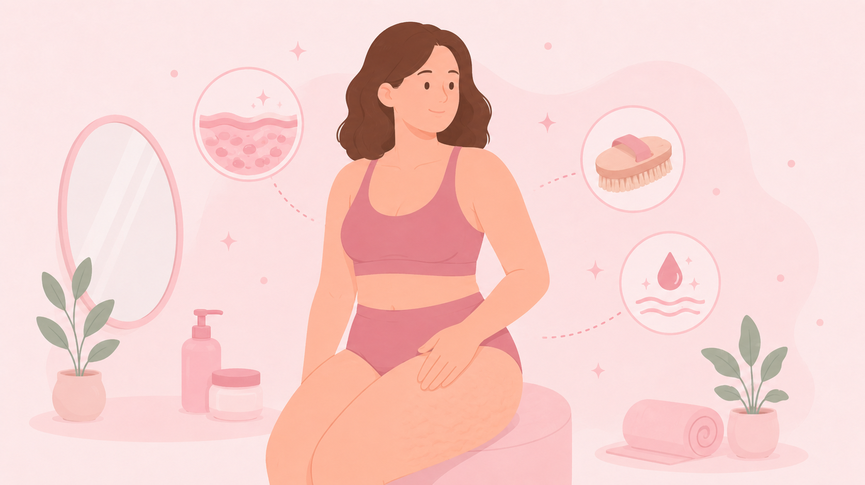
With the arrival of good weather, something almost ritualistic happens: we put away our coats, and dresses, shorts, and skirts reappear… along with the shame of having cellulite. That “orange-peel skin” is present in 80% to 98% of women starting from puberty (regardless of size, age, or lifestyle) while it appears in only about 10% of men.
Understanding how cellulite works will allow you to decide what to do with your body without guilt or pressure, based on information rather than judgment. This article explains why it appears, what factors worsen it, and which habits actually help improve its appearance and prevent it.
Why Women Have More Cellulite Than Men
Cellulite is an aesthetic alteration of the subcutaneous tissue in the buttocks, thighs, hips, or abdomen, which is due to the following factors:
- Hormones: Estrogens (the main female hormone) stimulate lipogenesis (fat storage), hinder lipolysis (fat burning), slow down microcirculation, and promote fluid retention, which in turn increases swelling and deteriorates microcirculation. This is why cellulite affects men less and appears or worsens during times of marked hormonal changes (such as puberty, pregnancy, premenstruation, or menopause).
- Connective Tissue: Women have a different connective tissue structure than men. While in men, the fibrous septa are arranged diagonally or in a cross shape—creating a sort of more resilient “mesh”—in women, the subcutaneous fat lobules are organized in larger vertical chambers, causing fat cells (adipocytes) to protrude toward the dermis.
- Genetics: Genes determine skin structure, texture, connective tissue distribution, and the tendency to retain fluids. Because of this, if your mother or sisters have cellulite, it is highly likely that you will develop it too.
- Microcirculation: Microcirculation is the system of the smallest blood and lymphatic vessels responsible for carrying oxygen and nutrients to the skin and removing fluids and waste. When it is slow or inefficient, fluid accumulates (edema), fatty substances deposit (a type of thick, viscous gelatin), the tissue hardens (making the dimples more noticeable), fat cells bulge, and the skin loses elasticity.
Other Cellulite Factors
Stress
When we’re stressed, our body secretes cortisol, a hormone that promotes fluid retention, stimulates fat accumulation (especially in the buttocks, thighs, and abdomen), and increases inflammation, damaging collagen (the structural protein that gives skin firmness and resilience). Additionally, stress activates the sympathetic nervous system, causing vasoconstriction (small vessels narrow, and less blood and oxygen reach the tissues).
All of this translates to more lymphatic stasis (the lymphatic system drains poorly and fluids accumulate), as well as tissue swelling and rigidity. On the other hand, this emotional overload often disrupts sleep and drives us toward more sedentary behavior and poorer diet, feeding into a vicious cycle.
Smoking
Tobacco seriously affects microcirculation (it narrows blood vessels and reduces available oxygen) and damages collagen and elastin (proteins that keep the skin firm and the fibrous septa intact). This causes the walls holding the fat to weaken and the fat cells to bulge out, resulting in the classic “orange-peel skin.”
Added to this is the fact that smoking reduces vitamin A levels, an essential nutrient for cellular renewal and skin tissue quality, which makes the skin more fragile and less elastic, allowing cellulite dimples to become more pronounced.
Sedentary Lifestyle
A sedentary lifestyle is one of the main factors of cellulite. When we spend many hours sitting or inactive, blood and lymph circulate with greater difficulty, promoting tissue rigidity and poorer collagen quality.
Additionally, like tobacco, a sedentary lifestyle is often accompanied by other habits that influence microcirculation, such as sleeping worse, snacking on very salty or sugary foods, or spending more time in postures that compress small blood vessels.
Diet
A sustained diet of very salty, very sugary foods or those rich in poor-quality fats (especially ultra-processed foods, fried foods, trans fats, and products made with refined flours) can worsen cellulite because it aggravates fluid retention, increases inflammation, stimulates lipogenesis, and alters microcirculation.
Overweight
Cellulite is not an overweight problem (in fact, many thin women have it), but it can aggravate it or make it more visible. On one hand, excess weight increases pressure on small vessels, hindering venous and lymphatic return. On the other hand, it usually increases fluid retention and local lipogenesis (adipocytes grow and push toward the dermis).
All of this accelerates lymphatic stasis (drainage slows down and fluids accumulate), increases edema, makes the tissue more rigid, and damages collagen.
Cellulite vs. Lipedema
Lipedema is a chronic condition that affects women almost exclusively. It is estimated to impact 10–20%, although it is probably more frequent because it is usually underdiagnosed as overweight, obesity, or edema from fluid retention. Its initial appearance can be confused with cellulite, especially in Stage 1, when the skin shows a pattern similar to “orange-peel skin” when pinched.
Unlike cellulite, in lipedema, fat accumulates abnormally and progressively in the hips, buttocks, and legs (and in up to 30% of cases, also in the arms), and it is painful to the touch, soft, symmetrical, and resistant to diet and exercise.
Like vulvodynia and endometriosis, lipedema is frequently misdiagnosed (in fact, the average time to a correct diagnosis is about 20 years). Twenty years of enduring medical appointments where it is confused with other disorders and ineffective treatments are prescribed.
If you notice disproportionate accumulations of fat in your legs, thighs, or hips, along with pain, inflammation, or heaviness, consult a doctor, and if you do not agree with their diagnosis, insist on more medical opinions.
Realistic Tips to Improve the Appearance of Cellulite
- Physical Activity: Fight sedentary habits and engage in moderate exercise that activates circulation (walking, swimming, climbing stairs) to prevent venous insufficiency and promote lymphatic return.
- Clothing: Avoid very tight clothes and artificial fabrics, as they hinder microcirculation. Also, avoid high-heeled shoes; as we saw in this article, they cause circulatory problems, foot damage, and postural and muscular alterations that can become chronic.
- Diet: Reduce the consumption of alcohol and discouraged foods, and increase the intake of fruits (watermelon, pineapple), vegetables, foods rich in potassium (banana, avocado, spinach), purifying teas (green, red), and natural diuretics (pineapple, celery, lemon, parsley).
- Yo-Yo Diets: Do not go on yo-yo diets; rapid weight changes affect skin elasticity and the quality of connective tissue, accentuating cellulite.
- Hydration: Contrary to what some “urban legends” claim, you do not retain more fluids by drinking more water. In fact, it is the opposite, because when we are dehydrated, the body tends to compensate. On the other hand, proper hydration allows for good kidney function and the elimination of toxins. So, stay hydrated with water, natural juices (without sugar), and homemade broths.
- Tobacco: Stop smoking; it is one of the habits that most accelerates cellulite, even in thin women. If it is very difficult for you, at least reduce the number of daily cigarettes; after smoking just one, blood flow to the skin is reduced by 28–38%. Give it a break.
- Stress: To prevent stress and anxiety from taking over your life, it is crucial to recognize which situations upset you and set boundaries on what drains your resources. It also helps to surround yourself with people who bring calm, incorporate practices that regulate the nervous system (such as conscious breathing, gentle movement, or meditation), maintain moderate physical activity, and set aside time for activities that connect you with pleasure and creativity. And if you notice that emotional exhaustion is overwhelming you, seek professional support; it is a form of early care that prevents these symptoms from becoming chronic.
- Massage and Lymphatic Drainage: Professional massages and lymphatic drainage are very effective treatments for improving skin texture and reducing swelling. If you cannot afford it, dry brush yourself with a natural bristle brush (always toward the heart) to stimulate circulation and exfoliation. You can also give yourself self-massages with your hands (or specific cellulite rollers) after applying specific anti-cellulite products: if you do it the right way and are consistent, the appearance of your skin will improve a lot.
- Non-Invasive Aesthetic Treatments: You can complement the habits above with treatments like pressotherapy, radiofrequency, ultrasound, mesotherapy, etc., which are specific for treating orange-peel skin and its causes.
Cellulite is a female physiological process due to many factors, not a stigma that we have to hide or be ashamed of. If we decide to address it, let it be respectfully to our bodies that do so much.

Brenda B. Lennox is the pseudonym of a writer with several literary awards behind her – commiting to sexuality and female health articles.